The Benefits and Drawbacks of Installing Skylights on Flat Roofs
The decision to install skylights on flat roofs presents advantages as well as challenges. Such installations may improve natural light, improve energy efficiency, and elevate aesthetic appeal. Nevertheless, they include certain concerns, like significant expenses and upkeep requirements. Prior to making a decision, one must consider various factors. How might these factors impact for property owners?
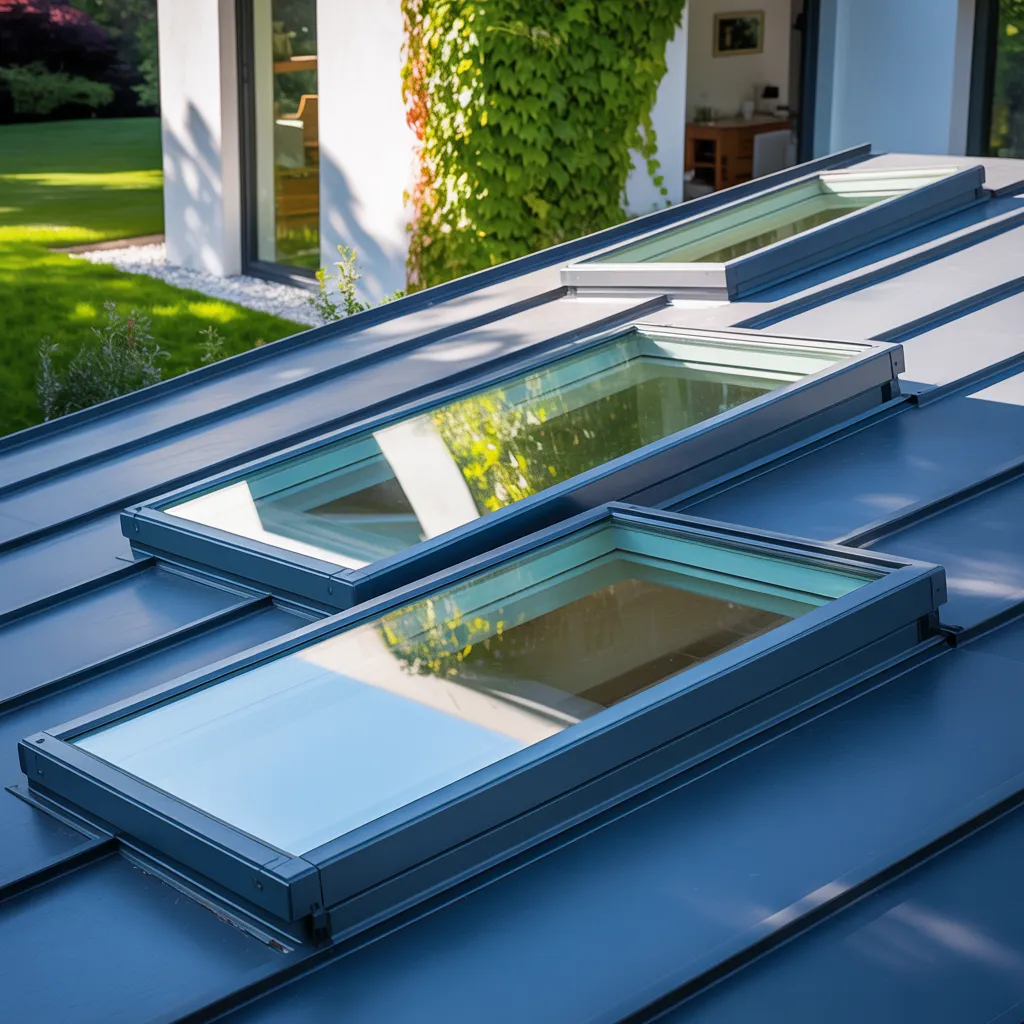
Advantages of Skylights on Flat Roofs
Skylights on flat roofs offer numerous advantages that enhance both the aesthetic and functional aspects of a space. One significant benefit is the improvement of indoor air quality, as skylights can facilitate natural ventilation when operable models are installed. This characteristic aids in minimizing the need for electric lighting and heating/cooling systems, contributing to energy efficiency. Furthermore, skylights generate a sense of openness, causing spaces to appear more expansive and welcoming. Their distinctive style offers possibilities for innovative architectural design, adding to the complete personality of a structure. Moreover, they can increase property value, appealing to potential buyers who appreciate the blend of modern design and practicality. In summary, skylights constitute a worthwhile investment for buildings with flat roofs.
Superior Organic Illumination
Installing skylights on flat roofs significantly improves natural lighting within a space. This increase in daylight availability not only enhances the aesthetic appeal of interiors but also supports energy efficiency by lowering reliance on artificial lighting. In summary, skylights serve as a valuable architectural feature that maximizes both functionality and design.
Improved Sunlight Availability
When installed in flat roofs, skylights greatly enhance natural lighting within a space, enabling sunlight to flood in throughout the day. This enhanced access to daylight can significantly improve the overall ambiance and functionality of interiors. Natural light has been associated with elevated mood, productivity, and well-being, making skylights a worthwhile addition for residential and commercial spaces alike. Additionally, daylighting can lower the reliance on artificial lighting, bringing about lower energy costs and a smaller carbon footprint. By strategically positioning skylights, building owners can maximize light penetration, seeing to it that even the darkest corners of a room receive ample illumination. This facilitates a more inviting and vibrant environment, elevating the overall experience for occupants.
Better Cosmetic Beauty
Daylight filtering through skylights improves the aesthetic appeal of flat-roofed spaces, creating a visually dynamic environment. These openings in the ceiling not only illuminate the interiors but also amplify the overall full details design, making areas feel spacious and welcoming. The interplay of sunlight and shadows adds depth and texture, establishing a lively atmosphere that can elevate the mood of any room. Additionally, skylights can work as focal points, showcasing architectural features or artwork. By incorporating various shapes and sizes, homeowners can customize the look to suit their personal style, effectively combining functionality with elegance. Ultimately, the presence of natural light through skylights amplifies the visual experience, increasing the charm of flat-roofed structures.
Benefits of Energy Efficiency
Skylights simultaneously brighten flat-roofed spaces while meaningfully contributing to energy efficiency by decreasing reliance on artificial lighting. By utilizing natural sunlight, they allow homeowners to minimize energy consumption during daylight hours. This decrease in artificial lighting not only lowers electricity bills but also lessens the overall carbon footprint of a household. Additionally, strategically placed skylights can improve ventilation, facilitating air circulation and lessening the need for air conditioning. The influx of natural light can create a more appealing atmosphere, improving well-being and productivity. Moreover, improvements in skylight technology, such as energy-efficient glazing, help maintain indoor temperatures, further supporting energy savings. Overall, the installation of skylights represents a pragmatic approach to achieving both aesthetic and energy efficiency advantages.
Improved Energy Efficiency
While many homeowners seek aesthetic enhancements, the energy efficiency benefits of installing skylights on flat roofs must not be disregarded. Skylights can considerably reduce energy consumption by maximizing natural light, which reduces the need for artificial lighting during the day. This reduction in electricity use not only cuts energy bills but also reduces the overall carbon footprint of the home. Additionally, well-placed skylights can boost ventilation, allowing warm air to escape, thereby lowering cooling costs in warmer months. By harnessing sunlight effectively, skylights contribute to a more sustainable living environment. Homeowners should consider the long-term savings and environmental impact when evaluating the installation of skylights, as they offer both immediate and ongoing energy efficiency advantages.
Beautiful Appearance and Increased Home Worth
Skylights installed on flat roofs deliver improved natural lighting, producing a brighter and more inviting interior space. Their modern design element serves to enhance the complete aesthetic appeal of a property. This combination not only enhances visual attractiveness but can also result in an increase in property value.
Superior Natural Lighting
Natural light plays a pivotal role in enhancing the aesthetic appeal of interior spaces, transforming them into welcoming and lively environments. The installation of skylights on flat roofs greatly increases the influx of natural light, enhancing rooms and producing an uplifting atmosphere. This added illumination can reduce reliance on artificial lighting, leading to energy savings. Additionally, the presence of natural light can positively influence mood and productivity, making spaces feel more airy and tied to the outdoors. In terms of property value, homes with abundant natural light are often more attractive to potential buyers, as they offer a sense of inviting charm and expansiveness. Ultimately, enhanced natural lighting through skylights contributes to both the beauty and selling potential of a property.
Modern Aesthetic Component
As property owners aim to develop modern and elegant areas, flat roof skylights have become a notable modern design element. These installations both elevate the architectural attractiveness of a property but equally establish a sense of expansiveness and nature integration. The sleek lines and minimalist aesthetic of skylights match multiple design styles, from industrial lofts to sleek, modern homes. Moreover, their capacity to capture natural light generates a dynamic interplay between internal rooms and external elements, enhancing the overall ambiance. The strategic placement of skylights can also enhance specific design features, making them a sought-after solution among architects and designers striving to address clients' desires for creative and aesthetically pleasing designs.

Boosted Real Estate Appeal
Improving the aesthetic appeal of a home often contributes to increased property value, making skylights on flat roofs a smart investment. Skylights bring in natural light, creating a lighter and more inviting atmosphere that can transform ordinary spaces. This infusion of light can highlight architectural features and improve the overall ambiance. Potential buyers are often drawn to properties that offer unique design elements, and skylights can serve as a distinctive selling point. Additionally, the contemporary look of skylights complements different architectural styles, further enhancing curb appeal. As a result, homeowners can expect a strong return on investment, as well-designed skylights not only elevate visual appeal but also contribute to a more valuable property in the competitive real estate market.
Potential Downsides of Skylights
Although skylights deliver significant advantages in terms of light and aesthetic appeal, various potential disadvantages require careful consideration. First, improper installation can cause leaks, which may cause water damage to the interior. Moreover, skylights can create heat buildup, causing increased energy costs for cooling during summer months. They may also contribute to glare, making certain areas uncomfortable, especially in sunny climates. Privacy concerns occur as well, specifically in densely populated areas where neighbors can easily see inside. Moreover, skylights might need specialized framing, possibly increasing construction costs. Lastly, the risk of condensation can cause mold growth if not adequately managed, posing health risks to occupants. These factors should be considered against the positives before moving forward with installation.
Maintenance and Repair Considerations
Adequate maintenance and quick repairs are necessary for guaranteeing skylights function effectively and preserve their aesthetic appeal. Periodic assessments should be carried out to examine for leaks, cracks, or condensation buildup, as these problems can damage the integrity of the skylight. Maintaining the glass and surrounding frames is required to prevent dirt and debris from hindering light entry. Additionally, the flashing and seals around skylights must be monitored for degradation, as compromised components can result in water infiltration. Homeowners should be expecting potential repairs, which may include repairing or substituting parts of the skylight system. Employing professional maintenance services can extend the lifespan of skylights, seeing to it that they remain a valuable feature of flat roofs.
Aspects to Evaluate Before Installation
Several key considerations must be meticulously examined before placing skylights on flat roofs to achieve superior performance and aesthetic quality. Initially, structural soundness of the roof is crucial; it must accommodate the extra weight and possible water pooling. Next, the local climate plays a vital role; areas with heavy rainfall or snow may demand specialized waterproofing measures. Additionally, the placement and scale of the skylight should maximize natural light while minimizing heat loss or gain. Moreover, considering energy efficiency through double or triple glazing can improve insulation. Ultimately, local building codes and regulations must be reviewed to ensure compliance. Careful analysis of these considerations can result in a successful skylight installation that enhances both functionality and visual appeal.
FAQ
How Do Skylights Effect Interior Temperature Regulation?
Indoor temperature control can be considerably affected by skylights that permit natural light to enter, which can warm the space during colder months. However, they can also contribute to overheating in warmer months if not properly managed.
Is It Possible for Skylights to Leak During Heavy Rain or Snow?
Skylights may certainly leak amid heavy rain or snow if not properly installed or maintained. Insufficient sealing, insufficient drainage, and aging-related deterioration can aggravate this issue, leading to likely water damage inside the property.
Which Skylight Types Work Best for Flat Roofs?
The most effective kinds of skylights for flat roofs include curb-mounted units, which deliver enhanced drainage, and those with a streamlined profile. These options improve aesthetics while limiting potential leakage and maintenance issues.
Will I Need a Building Permit for Skylight Setup?
In numerous jurisdictions, a building permit is mandatory for skylight installation. It is essential to check local building codes and regulations to guarantee compliance, as requirements can differ significantly depending on the area and particular project requirements.
What Is the Impact of Skylights on Home Insurance Rates?
Skylights may impact home insurance rates, as insurers often see them as an increased risk for water damage or leaks. Property owners should contact their insurance copyright to understand individual policy considerations connected to skylight installations.