Skylights and Energy Efficiency: Reduce Costs and Illuminate Your Home
Skylights present an effective method for improving energy performance in homes. By optimizing natural light, they can significantly reduce reliance on artificial lighting, resulting in decreased energy bills. Additionally, their construction can enhance ventilation and temperature regulation. However, prospective homeowners should consider various factors before installation. Which characteristics are critical for optimal results, and in what ways do they affect total energy reduction? Investigating these factors can guide smarter purchasing decisions.
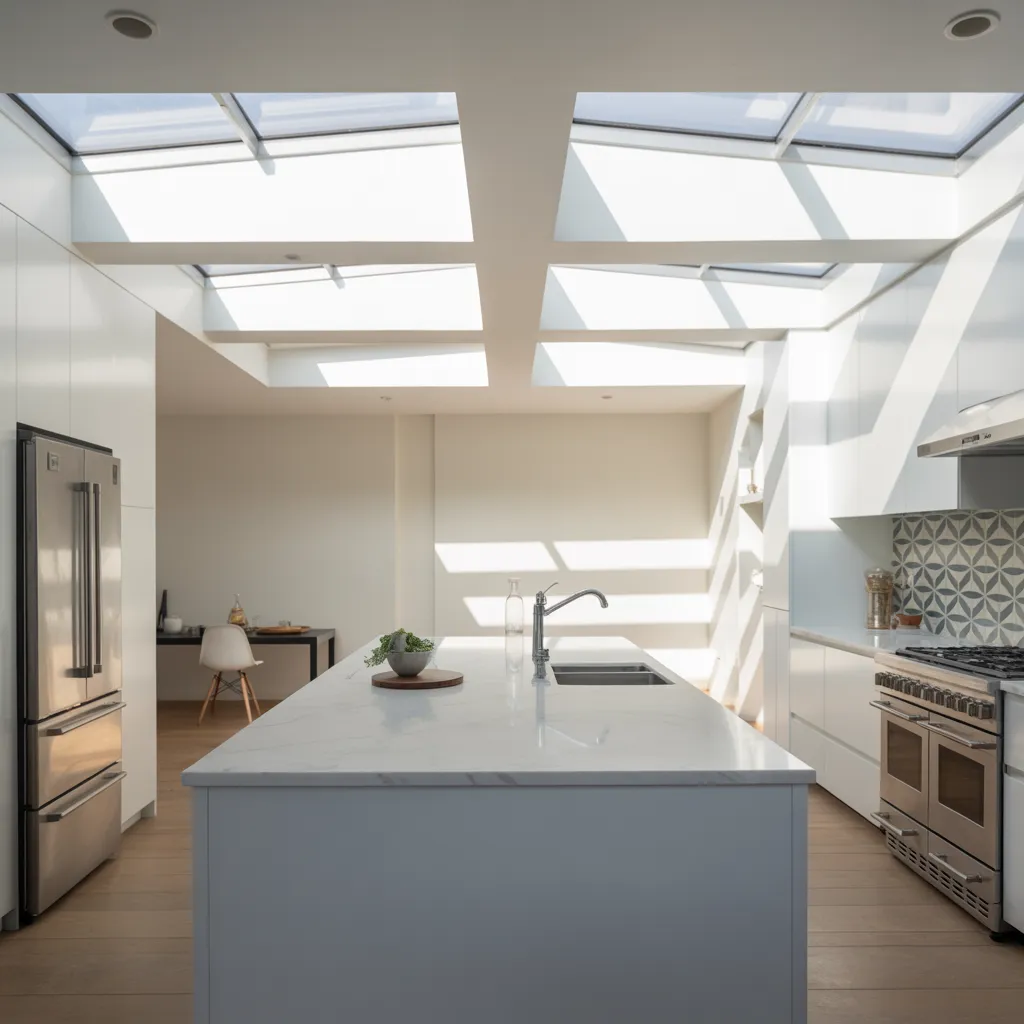
How Skylights Can Lower Your Energy Bills
Skylights enhance spaces while considerably cutting energy costs. By permitting natural light to fill rooms, they reduce dependence on artificial lighting, which can result in substantial reductions on electricity bills. Moreover, thoughtfully installed skylights can boost ventilation, permitting warm air to dissipate in the summer and minimizing reliance on air conditioning. This natural circulation of air supports a more enjoyable environment without wasteful energy consumption.
In colder months, skylights can play a key role in preserving heat, particularly when fitted with energy-saving glazing. This feature minimizes heat loss, resulting in reduced heating costs. Moreover, the careful placement of skylights can optimize expert tips solar gain, utilizing sunlight to heat interior spaces throughout the day. Ultimately, integrating skylights into a home not only enhances its brightness but also supports energy efficiency, translating into decreased energy expenses and a reduced environmental impact.
Important Factors to Evaluate When Selecting Skylights
When choosing skylights, two essential elements require thoughtful evaluation: the kind of glass and the placement location. The type of glass chosen influences durability and energy efficiency, while the placement influences heat management and the amount of natural light received. Understanding these factors can considerably increase the value that skylights deliver.
Glass Style Options
Picking the appropriate glass option for skylights is crucial for improving energy efficiency and maintaining durability. There are mainly two options: single and double-glazed glass. Single glazing is less heavy and cheaper but provides limited insulation. In contrast, double-glazed glass incorporates two panes, delivering enhanced thermal performance and noise reduction, making it a more effective choice for energy efficiency.
In addition, the incorporation of Low-E coatings can further improve energy performance by reflecting heat back indoors during winter and blocking excessive solar heat in summer. Moreover, toughened glass adds an added layer of safety, being more resistant to impact and thermal stress. Ultimately, identifying the correct glass option can substantially impact both comfort and energy savings in a household.
The Importance of Installation Location
The placement location of a skylight significantly affects its efficiency and overall performance. Elements including roof angle, orientation, and surrounding structures are crucial factors in defining the level of natural light and heat gain a skylight can deliver. Skylights facing south generally receive the greatest amount of sunlight, enhancing energy efficiency during colder months, while north-facing options offer softer, diffused light perfect for minimizing glare. Moreover, steering away from spots near large trees or buildings is critical, as these can hinder light flow and lessen the skylight's overall value. Proper placement also considers potential heat loss, ensuring that energy efficiency is maximized throughout the year. In the end, thoughtful site selection can considerably amplify the value skylights bring to any property.
How Skylights Improve Natural Light and Cut Costs
Skylights play an essential role in maximizing daylight exposure, successfully illuminating interior areas without relying on artificial light sources. This boost in natural illumination not only elevates the interior aesthetic but also helps reduce energy costs by cutting down on electrical consumption. As a result, homeowners are able to experience a greener and more eco-friendly home while taking advantage of considerable financial savings.
Optimizing Natural Light Exposure
While many homeowners look for methods to lower energy expenses, few understand the considerable effect that optimizing natural light can have on both well-being and household budgets. Skylights function as an excellent way to capture natural light, enhancing home interiors and establishing a warm and appealing ambiance. Through the thoughtful positioning of skylights, homeowners can maximize the sunlight streaming into their living spaces, reducing reliance on artificial lighting during daytime hours. This not only elevates the visual attractiveness of a home but also promotes the general health and happiness of residents. In addition, the influx of natural light can create the illusion of larger spaces, promoting a sense of openness. In the end, skylights help establish a more comfortable and enjoyable interior atmosphere, making them a valuable investment for those looking to enhance their homes.
Reducing Energy Costs
Many homeowners find that installing skylights can substantially decrease utility expenses by enhancing natural light within their living spaces. By permitting daylight to stream in throughout the day, skylights reduce reliance on artificial lighting, which can translate into meaningful savings on power bills. Moreover, skylights can boost overall thermal efficiency; units featuring energy-efficient glass help regulate interior temperatures, reducing the need for heating and cooling. This twofold benefit of natural light and thermal management not only creates a more comfortable environment but also results in reduced monthly energy costs. As natural light brightens interiors, property owners often realize that they can experience a well-illuminated home without the financial burden of increased energy consumption. Therefore, skylights stand as a sound investment in energy conservation.
DIY vs. Professional Skylight Installation
Weighing the options between DIY and professional skylight installation can significantly affect both the project's result and the homeowner's experience. DIY installation might be appealing to homeowners who prefer hands-on work and wish to cut down on labor costs. That said, it necessitates a strong grasp of roofing structures, waterproofing techniques, and local building requirements. Mistakes made during installation could lead to leaks or structural issues, ultimately costing more in repairs.
In contrast, hiring professionals guarantees expertise and typically includes warranty coverage, giving homeowners peace of mind. Expert installers can confirm accurate placement and sealing, improving energy efficiency and overall appearance. Despite the higher initial cost, the long-lasting rewards of a professionally installed skylight can outweigh the dangers of DIY endeavors. Homeowners ought to thoroughly evaluate their abilities and the scope of the project before reaching a conclusion.
Skylight Maintenance Tips for Longevity
Keeping skylights well-maintained is key to preserving their lifespan and peak performance. Routine checkups should be performed to detect any indicators of deterioration, including leaks or cracks. Cleaning the skylight's glass and surrounding frames is vital; using a soft cloth and a mild detergent can prevent dirt buildup, which can obstruct light and affect energy efficiency. It is equally important to inspect and upkeep the flashing and seals to guard against water infiltration. Residents should eliminate any buildup, such as leaves or branches, from the skylight's perimeter to encourage effective drainage and lessen potential deterioration. Moreover, verifying that the skylight is sufficiently insulated can contribute to sustaining energy efficiency and reducing condensation. When challenges develop that surpass standard maintenance, obtaining expert help is suggested to resolve more complicated problems effectively. By following these maintenance tips, homeowners can enhance the lifespan and functionality of their skylights.
How to Maximize the Benefits of Your Skylights Throughout the Year
Regular maintenance of skylights lays the groundwork for optimizing their advantages across all seasons. Homeowners ought to routinely clean the glass to ensure optimal light transmission, clearing away dust and debris that may block sunlight. Furthermore, using UV-protective coatings can reduce heat loss during winter while deflecting surplus heat in the summer months.
Seasonal adjustments are also beneficial; utilizing shades or blinds can help regulate indoor temperatures, decreasing dependence on artificial lighting and HVAC systems. In colder months, applying insulated covers can help prevent heat loss, while during warmer months, utilizing open skylights can foster natural ventilation, improving air circulation.
In addition, implementing automated controls permits homeowners to manage skylights from a distance, optimizing their performance based on outdoor conditions. Through applying these strategies, property owners can truly capitalize on the sustainable advantages and aesthetic appeal of skylights, confirming their home stays well-lit and inviting across all seasons.

Answers to Common Questions
What Types of Skylights Are Available on the Market?
Multiple types of skylights can be found, comprising fixed, ventilated, tubular, and electric designs. Every model addresses specific needs, ranging from maximizing natural light and improving airflow to promoting energy efficiency, meeting a variety of homeowner requirements.
Are Skylights Compatible with Every Roof Type?
Skylights may not be compatible with every type of roof. The installation process may be influenced by factors including roof pitch, material, and structural integrity. A professional assessment is recommended to determine compatibility with specific roofing systems.
How Do Skylights Affect Indoor Temperatures?
Skylights have a significant impact on the temperatures inside a space by permitting natural light to stream in, which can warm spaces during colder months. However, without the right insulation or shading measures, they can lead to excessive heat buildup during warmer months.
Do Skylights Improve Ventilation?
Skylights can enhance ventilation by enabling warm air to exit through the roof, facilitating natural airflow. This natural airflow can assist in regulating indoor temperatures and boost the general air quality, creating spaces that are more comfortable and welcoming.
What Aesthetic Choices Do You Have for Skylights?
Styling possibilities for skylights include diverse shapes, sizes, and glazing selections. Options span vented, tubular, or fixed configurations, with adaptable frames and surface finishes to suit architectural aesthetics, enhancing both light and visual appeal in spaces.